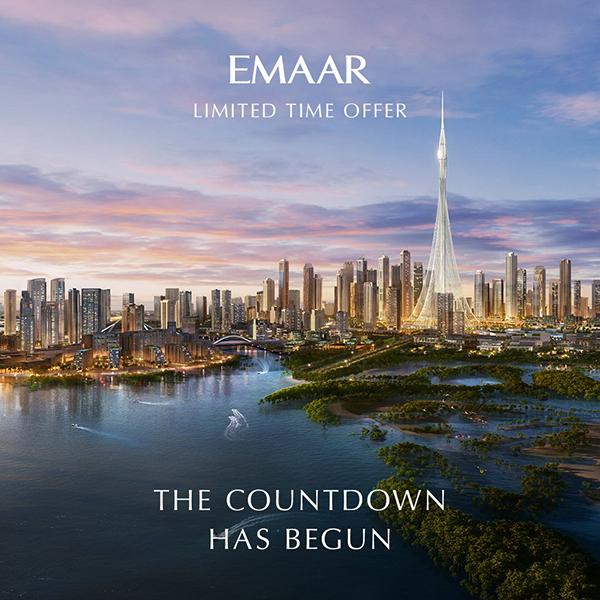
The Gulf region is home to some of the world’s most ambitious smart city projects, blending advanced technology with modern urban planning. From Dubai’s futuristic infrastructure to Saudi Arabia’s mega developments, the region is reimagining how cities operate and how people live. The goal is clear: create safer, cleaner, more efficient environments powered by smart technology and data-driven decision-making.
Below is an easy-to-read look at the technology driving smart cities across the Gulf, supported by real examples from the UAE and the wider Middle East.
1. Smart Mobility & Intelligent Transport Systems
One of the biggest transformations in Gulf cities is the rise of smart mobility. From driverless vehicles to intelligent traffic control, the region is focusing on reducing congestion and improving road safety.
Examples in the UAE & Middle East
- Dubai Roads and Transport Authority (RTA) uses AI for predictive traffic management and smart parking.
- Abu Dhabi Integrated Transport Centre (ITC) implements smart sensors to optimize public transport routes.
- Saudi Arabia’s NEOM is planning autonomous transport networks and zero-emission mobility systems.
2. AI-Powered Public Services
Gulf governments are focusing heavily on AI-driven public services that make life simpler for residents and visitors. These systems reduce paperwork, shorten service times, and make government processes more transparent.
Examples in the UAE & Middle East
- Dubai Smart Government offers AI chatbots, digital ID systems, and integrated e-services.
- Qatar’s Hukoomi platform uses smart tools to provide fast online access to government services.
3. Smart Energy & Sustainability Solutions
Energy efficiency is a central pillar of every Gulf smart city. AI, IoT sensors, and renewable energy technologies help cities reduce waste and manage resources sustainably.
Examples in the UAE & Middle East
- Masdar City in Abu Dhabi is a global model for low-carbon smart living powered by clean energy.
- DEWA (Dubai Electricity and Water Authority) uses AI to forecast energy demand and manage smart grids.
- Saudi Arabia’s Red Sea Global integrates renewable power and intelligent energy systems across its developments.
4. Advanced Security & Surveillance Systems
Smart cities rely on secure and reliable environments. AI-supported surveillance, face recognition, and real-time monitoring systems help maintain safety while managing emergencies faster.
Examples in the UAE & Middle East
- Dubai Police uses AI for predictive policing, smart patrols, and crime-prevention analytics.
- Bahrain’s National Guard employs smart monitoring tools for enhanced public protection.
5. Digital Lifestyle & Connected Communities
Smart cities focus not only on infrastructure but also on creating a smoother lifestyle for residents. This includes digital payments, remote services, and real-time community updates.
Examples in the UAE & Middle East
- Etisalat & du provide smart home technologies and connected community platforms.
- Sharjah Research Technology & Innovation Park (SRTIP) supports smart living solutions through research and startups.
5 Frequently Asked Questions (FAQs)
1. What makes a city “smart” in the Gulf region?
A smart city uses digital technology, AI, sensors, and data to improve infrastructure, services, and quality of life.
2. Which countries lead smart city development in the Middle East?
The UAE and Saudi Arabia are the top leaders with major projects like Dubai Smart City and NEOM.
3. How do smart cities improve daily life?
Residents benefit from smoother transport, faster services, cleaner environments, and safer communities.
4. Are Gulf smart cities focused on sustainability?
Yes. Projects like Masdar City and Red Sea Global prioritize renewable energy and eco-friendly technologies.
5. Will more Gulf cities adopt smart technology?
Definitely. Governments across the region continue to invest heavily in digital transformation and urban innovation